The Wifaq Organization for Peace and Human Rights condemns the repeated attacks on children in Yemen and calls for urgent action to protect childhood.
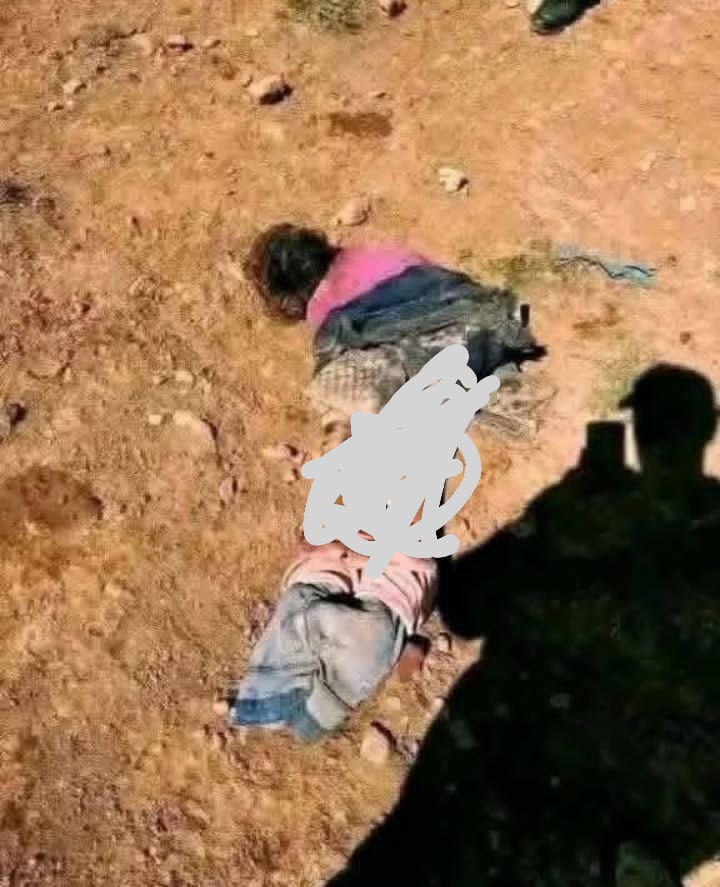
The Wifaq Organization for Peace and Human Rights strongly condemns the serious and repeated crimes and violations perpetrated against children in the Republic of Yemen. These include physical assaults, rape, murder, and other horrific forms of violence targeting childhood, in flagrant violation of all human and moral values and international conventions concerned with the protection of children’s rights.
The escalation of these crimes in some areas of Yemen is a dangerous indicator of the deteriorating humanitarian and social situation. It reflects a state of lawlessness and a weakened social protection system, threatening the future of an entire generation and sowing fear and anxiety in families and society.
The organization emphasizes that attacks on children are among the most serious crimes against humanity, leaving profound psychological and social scars that may haunt victims for the rest of their lives. Furthermore, it constitutes a direct attack on the child’s right to life, safety, and healthy development. Causes and Factors Contributing to the Escalation of the Phenomenon
Numerous community and human rights reports indicate a range of factors contributing to the escalation of these crimes, most notably:
The state of lawlessness and the weak presence of security forces in some areas.
The spread of drugs and psychotropic substances, which contribute to the loss of awareness and drive some individuals to commit heinous crimes.
The decline in community awareness regarding the role of child protection and reporting crimes.
The difficult economic and social conditions suffered by many families as a result of conflicts and crises.
The weak enforcement of deterrent laws related to child protection and the accountability of perpetrators.
The Organization’s Vision for Addressing this Phenomenon
The Wifaq Organization for Peace and Human Rights believes that addressing these crimes requires a comprehensive approach combining governmental, community, and human rights efforts. Among the most important proposed steps are:
First: Activating the security and legal role
Strengthening the presence of security forces in areas experiencing high crime rates.
Strictly enforcing laws against perpetrators of crimes against children.
Establishing specialized child protection units within security agencies. Second: Combating Drugs
Intensifying security campaigns to combat drug trafficking and abuse.
Launching awareness programs about the dangers of drugs and their impact on society.
Strengthening control over smuggling and distribution networks.
Third: Raising Community Awareness
Launching extensive awareness campaigns through media outlets, mosques, and schools about child protection.
Encouraging families to report any cases of abuse or suspicion.
Promoting a culture of social responsibility towards protecting children.
Fourth: The Role of Educational and Religious Institutions
Integrating awareness programs in schools about children’s personal safety.
Encouraging scholars and preachers to play a greater role in spreading the values of compassion and protecting the vulnerable.
Organizing seminars and workshops on children’s rights.
Fifth: Supporting Victims Psychologically and Socially
Establishing specialized centers to provide psychological and social support to affected children.
Providing rehabilitation programs for victims to help them overcome the effects of trauma.
Involving civil society organizations in providing support and care. Urgent Humanitarian Appeal
In closing, the Wifaq Organization for Peace and Human Rights calls upon all relevant parties, whether governmental, societal, or international, to uphold their moral and humanitarian responsibilities and act urgently to put an end to these heinous crimes targeting the innocence of children.
The organization also emphasizes that protecting children is not the responsibility of any single entity, but rather a collective responsibility that requires the cooperation of everyone to build a safe society that preserves human dignity and safeguards the future of coming generations.
Issued by:
Wifaq Organization for Peace and Human Rights
Human Rights Monitoring and Reporting Department